
Types of Boat Storage Available in Long Beach
Finding the right Boat Storage Solutions for Long Beach, MS helps boat owners protect their vessels while balancing convenience, security, and cost. Long Beach offers a variety of storage options, including outdoor parking, covered storage, indoor units, and marina slips, each providing different levels of protection and accessibility.
Outdoor Storage Options
Outdoor storage includes open parking lots and fenced yards where boats sit on trailers or blocks. This option costs less than covered or indoor storage and suits owners who plan frequent use or short-term storage.
Owners should check for level ground and good drainage to avoid standing water under the hull. Security varies: some sites use gated entry and cameras while others depend on perimeter fencing. Insurance carriers may require locks, tie-downs, or shrink wrap for coverage.
Weather exposure speeds wear on gelcoat, canvas, and electronics. Owners should winterize or use a quality boat cover, and schedule regular hull and engine checks to prevent corrosion and UV damage.
Indoor Dry Storage Facilities
Indoor dry storage places boats inside a building on trailers or racks. This option gives the best protection from sun, rain, and salt air, reducing long-term maintenance needs.
Facilities vary: some offer drive-in units for single boats, while others use multi-level rack systems to store many vessels. Indoor storage typically costs more, but the sheltered environment extends the life of upholstery, wiring, and paint.
Look for climate control, wide aisles for easy maneuvering, and lift or ramp access for loading. Confirm hours of access, security features, and whether the facility allows owners to work on boats while stored.
Covered Boat Storage
Covered storage uses metal or fabric canopies to shield boats from direct sun and rain while keeping costs lower than full indoor storage. It balances protection and price for owners who want a middle ground.
Covered slips often come with assigned spaces and may be at facilities that also offer outdoor parking and indoor units. Canopies protect canvas and electronics from UV and reduce runoff onto the hull, but wind-driven salt and rain can still reach the boat.
Owners should verify how sturdy the cover is against Gulf Coast storms and whether the facility offers tie-downs, periodic inspections, or optional shrink-wrap services. Compare monthly rates and any extra fees for site access or utilities.
Marina Slip Rentals
Marina slips let owners keep boats afloat at a dock, ready to launch on short notice. This option suits frequent boaters who value immediate water access and on-site amenities like fueling and ramps.
Slip costs depend on slip length, water depth, and marina services. Look for features such as power pedestals, freshwater hookup, security patrols, and nearby launching ramps. Check tidal conditions and dock maintenance to avoid grounding or docking stress.
Marinas may charge separate fees for electricity, pump-out, or guest docking. Ask about long-term availability, seasonal contracts, and any local rules on liveaboard status or maintenance work while docked.
Factors to Consider When Choosing a Storage Facility
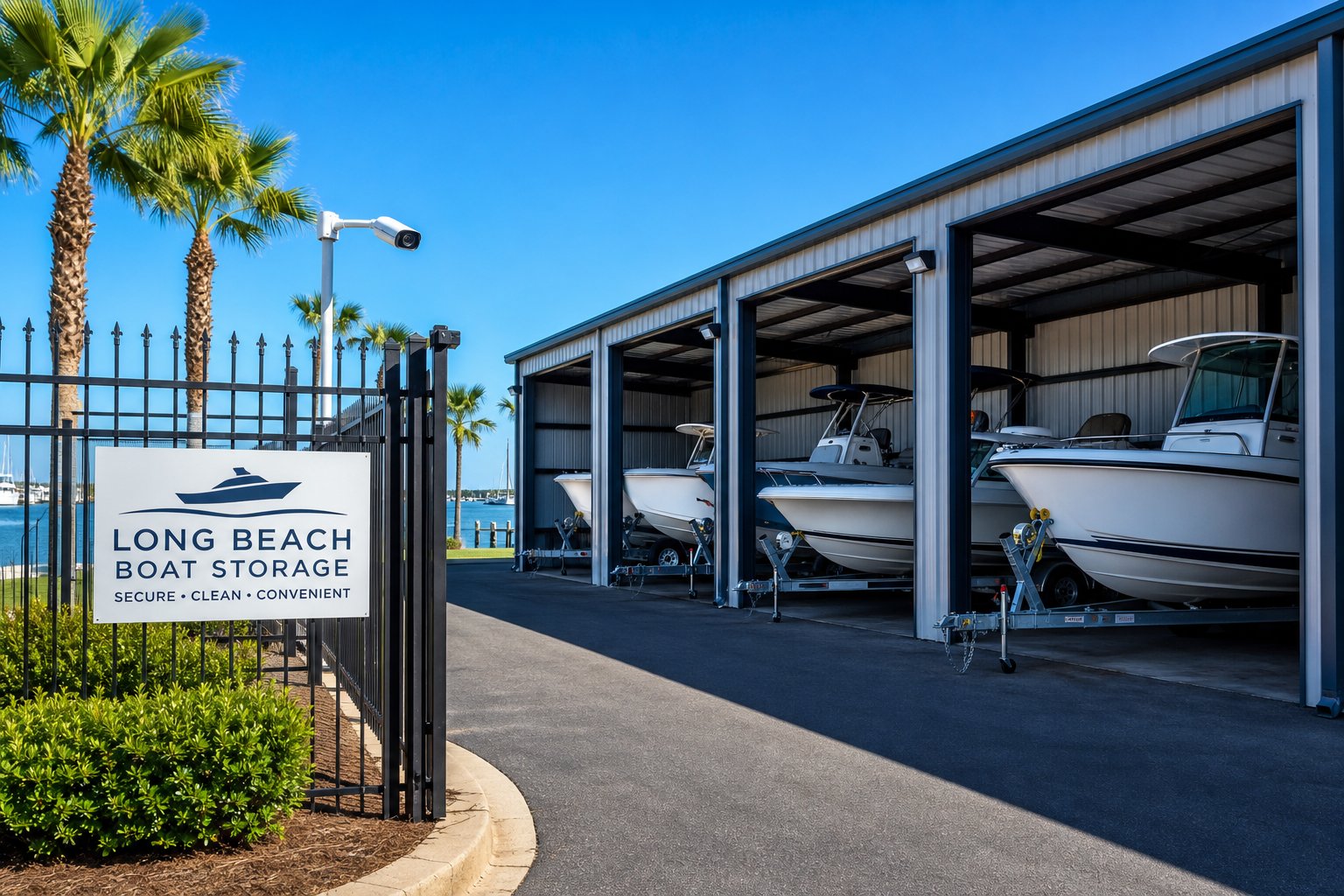
Pick a facility that balances safety, protection from salt air and storms, and easy access to launch ramps or repair shops. Prioritize features that prevent theft, reduce corrosion, and cut travel time for routine checks.
Security Features and Access Control
They should look for 24/7 camera coverage and recorded footage with visible cameras across aisles and entry points. Gated entry with keypad or card access reduces unauthorized traffic more than unmanned lots.
On-site staff during business hours adds a human check for odd activity and faster incident response. Lighting that covers the yard and walkways lowers theft risk and helps inspections after dark.
Individual unit alarms and perimeter fencing provide extra layers. Ask about insurance requirements and whether the facility offers tenant insurance or requires proof of boat coverage.
Climate and Weather Protection
Long Beach’s salt air and humid summers speed corrosion and mold growth. Indoor storage or fully covered shelters block direct exposure to sun, rain, and salt spray better than open parking.
Look for facilities that offer powered ventilation, dehumidifiers, or raised, dry pads to keep bilges and upholstery dry. Covered storage with side panels cuts wind-driven spray while still letting air move.
Check roof condition, drainage, and storm-anchoring procedures. Facilities that describe hurricane prep, like relocating boats or providing secure tie-down areas, reduce weather risk during severe storms.
Proximity to Local Amenities
They should choose a site within 10–20 minutes of their primary launch point to save time and fuel. Closer storage makes it easier to check battery, bilge, and covers before a trip.
Nearby repair shops, winterizing services, and parts stores matter for routine maintenance. A facility near main roads and fuel docks also helps when transporting trailers or loading gear.
Consider neighborhood safety and zoning. Storage near active marinas or commercial areas may offer more services, while remote lots can mean longer drives and fewer on-site vendors.
Seasonal Maintenance and Preparation Tips
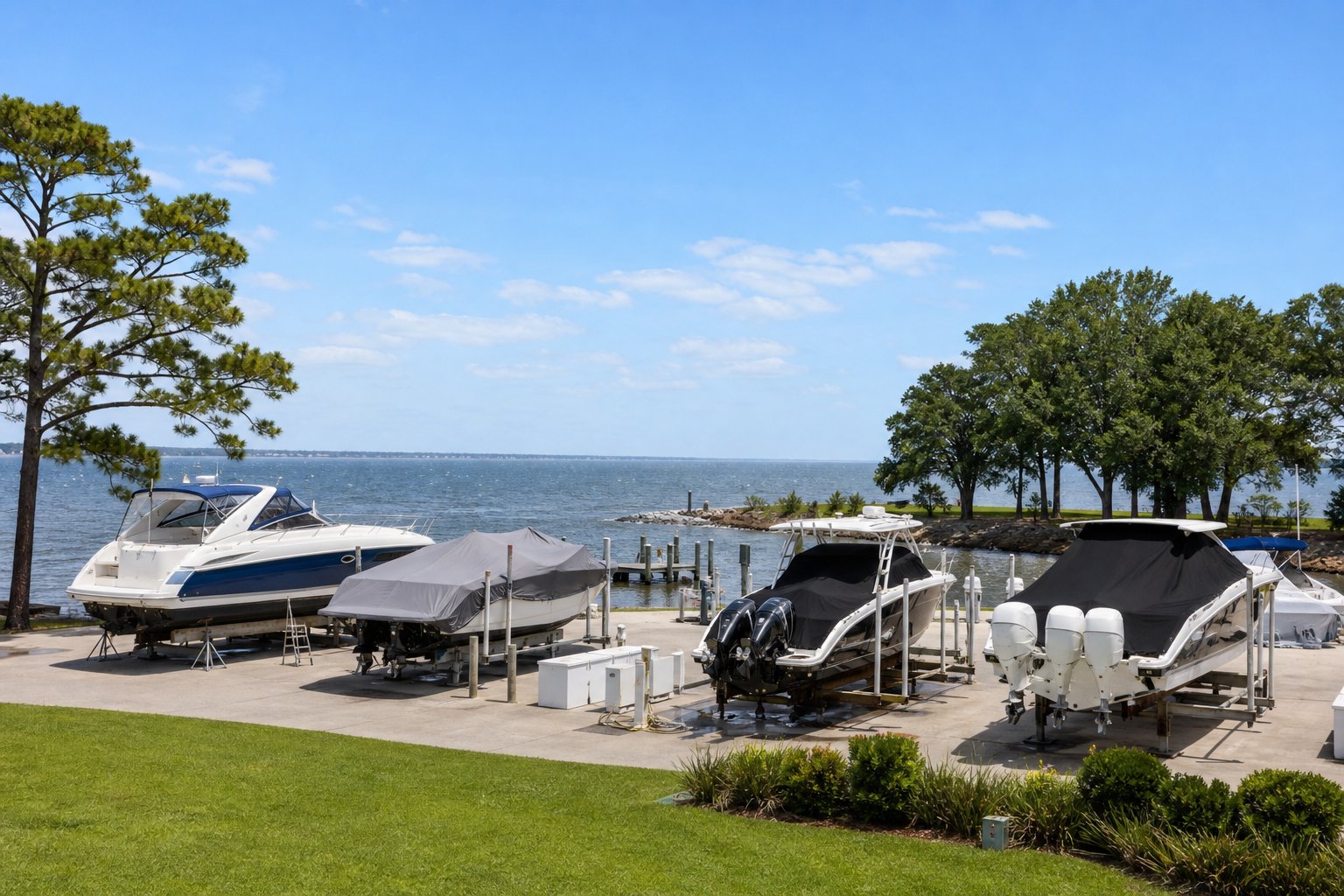
Focus on steps that protect the boat from weather, pests, and mechanical damage. Secure mooring, proper winterization, and regular inspections save time and money.
Preparing for Hurricanes and Storms
They should move the boat to the safest possible location well before a storm surge or high winds arrive. If trailering is an option, haul the boat inland and store it on a strong trailer with chocks and tiedowns. If leaving it in water, use extra lines tied to separate cleats and use chafing gear on lines. Slip renters should raise fenders and remove canvases and loose gear.
For covered or dry storage, lock hatches and secure covers. Remove batteries or disconnect them and store inside if possible. Owners should follow local evacuation advice and check nearby facilities like Southern Boat & RV Storage for secure options and policies on storm holding; facility features such as keypad access and 24-hour surveillance help but confirm gate and staffing rules before a storm.
Off-Season Storage Best Practices
They should fully winterize engines and systems before long storage periods. Change engine oil and filter, fog the engine per manufacturer steps, and add stabilizer to fuel. Flush and sanitize freshwater systems; drain water from pumps and plumbing to prevent freeze damage even in mild Gulf winters.
Protect the hull with a breathable cover or shrink wrap and support the boat on stands or a trailer using blocked stands under strong points. Inflate tires to recommended pressure and grease wheel bearings. Store batteries in a cool, dry place and keep them on a smart maintainer. Consider nearby options for indoor or covered spots, such as Gulf Coast Boat and RV Storage, and compare features like 24-hour entry and surveillance before booking.
Routine Inspection and Cleaning
Perform a walkaround inspection every 2–4 weeks during inactive seasons. Check bilge for water, test pumps, and look for signs of pests or mold. Tighten loose fittings and inspect thru-hulls, hoses, and clamps for wear.
Clean the boat’s exterior and interior before storage to remove salt, grime, and food residues. Rinse with fresh water, apply wax to gelcoat, and use mildew-resistant products in cabins. Keep a simple checklist: battery status, fuel treatment, oil level, bilge dry, cover secure. Log inspections and maintenance dates to track tasks and spot recurring issues.
Storage Unit Rentals in Long Beach, MS
Residents find several options for storing boats, RV gear, and accessories close to home. Facilities offer a mix of outdoor, covered, and indoor spaces to fit different budgets and needs. Iron Storage Unit Rentals in – Long Beach, MS allow online reservations and payments for quick booking.
Units vary by size and features. Some sites provide 24-hour camera surveillance and keypad access for added security.
Covered storage protects hulls and gear from sun and rain, while uncovered spots cost less. Long Beach locations often sit near major roads, making trips to the marina or repair shop faster.
Renters should compare prices and access rules before choosing. Look for facilities that offer flexible terms, insurance options, and easy online management.