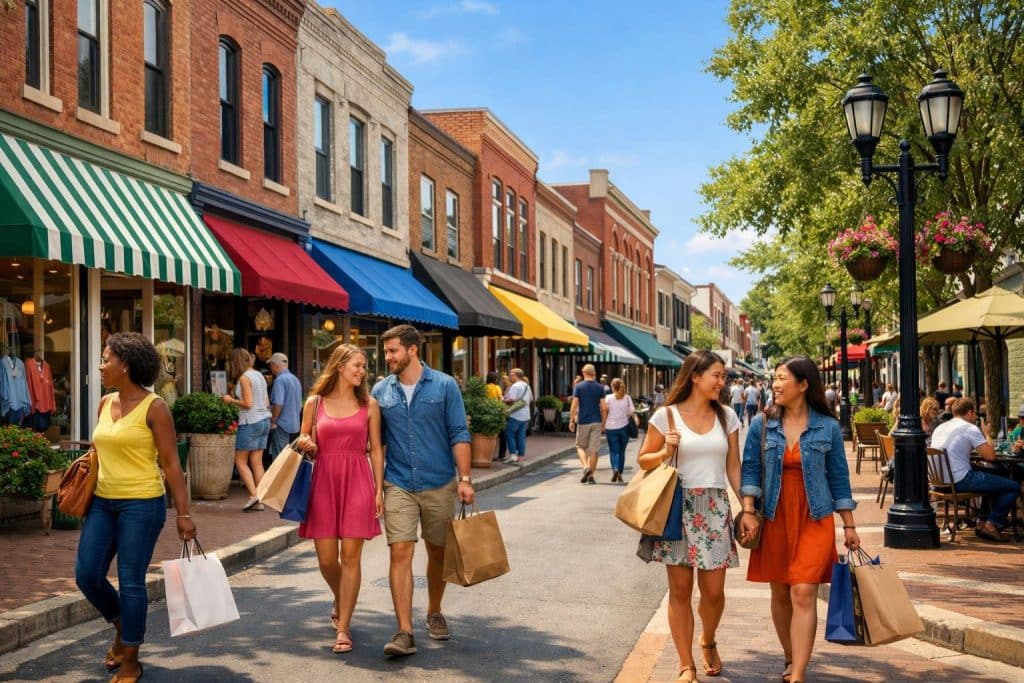

Dothan Farmers Markets Overview
Exploring local farmers markets in Dothan, AL is a great way to experience fresh produce, local meats, baked goods, and seasonal crafts. Shoppers can find weekly markets in town as well as smaller stands in nearby communities that focus on local growers and family farms.
Best Markets in Dothan, AL
The Market at Dothan is the most well-known weekly market in the city. Vendors sell seasonal fruits, vegetables, eggs, honey, and prepared foods. It draws local growers and artisans and serves as a community hub for Saturday mornings.
Poplar Head Farmers Market runs a summer season of Saturday markets from mid-May through late July. It highlights Wiregrass-area produce and handmade goods, with a focus on small family farms and artisans. The market posts weekly vendor lists and contact info for the manager.
Smaller options include farm stands and pickup points for CSAs and local delivery programs. Local directories list producers like C & B Farms and JBW Farm Fresh, which often sell at pop-up markets or roadside stands. These smaller outlets can offer specialty items like boiled peanuts and pasture-raised meats.
Operating Hours and Locations
Market at Dothan typically opens Saturday mornings, often around 8:00 a.m., and runs until midday. Exact hours and vendor presence can change by season, so shoppers should check market pages before visiting.
Poplar Head Farmers Market runs on Saturdays during its summer season from 8:00 a.m. to noon. The market posts season dates and manager contact details on its site for questions about parking and vendor setup.
Other markets and farm stands in the Dothan area operate on varied schedules. Some run midweek farm stands or CSA pickups, and others open only on select weekends. Local listings compile hours and directions for each site to help shoppers plan visits.
Seasonal Offerings
Spring brings leafy greens, strawberries, and early herbs. Farmers in the Wiregrass region start with cool-season crops and young transplants for home gardeners.
Summer offers tomatoes, sweet corn, squash, peppers, and peaches. Markets like Poplar Head focus on in-season fruits and vegetables and usually add local baked goods and canned goods during peak fruit harvests.
Fall features sweet potatoes, collards, pumpkins, and pecans. Fall markets often include preserved foods, pickles, and smoked or cured meats from local producers. Winter markets and stands may offer root vegetables, eggs, and limited storage crops while some vendors move to online or pickup models for off-season sales.
Useful listing pages for schedules and vendor details include the Market at Dothan locally grown site and a regional farmers market directory for Dothan at Farm-Hub.
What to Expect at Dothan’s Markets
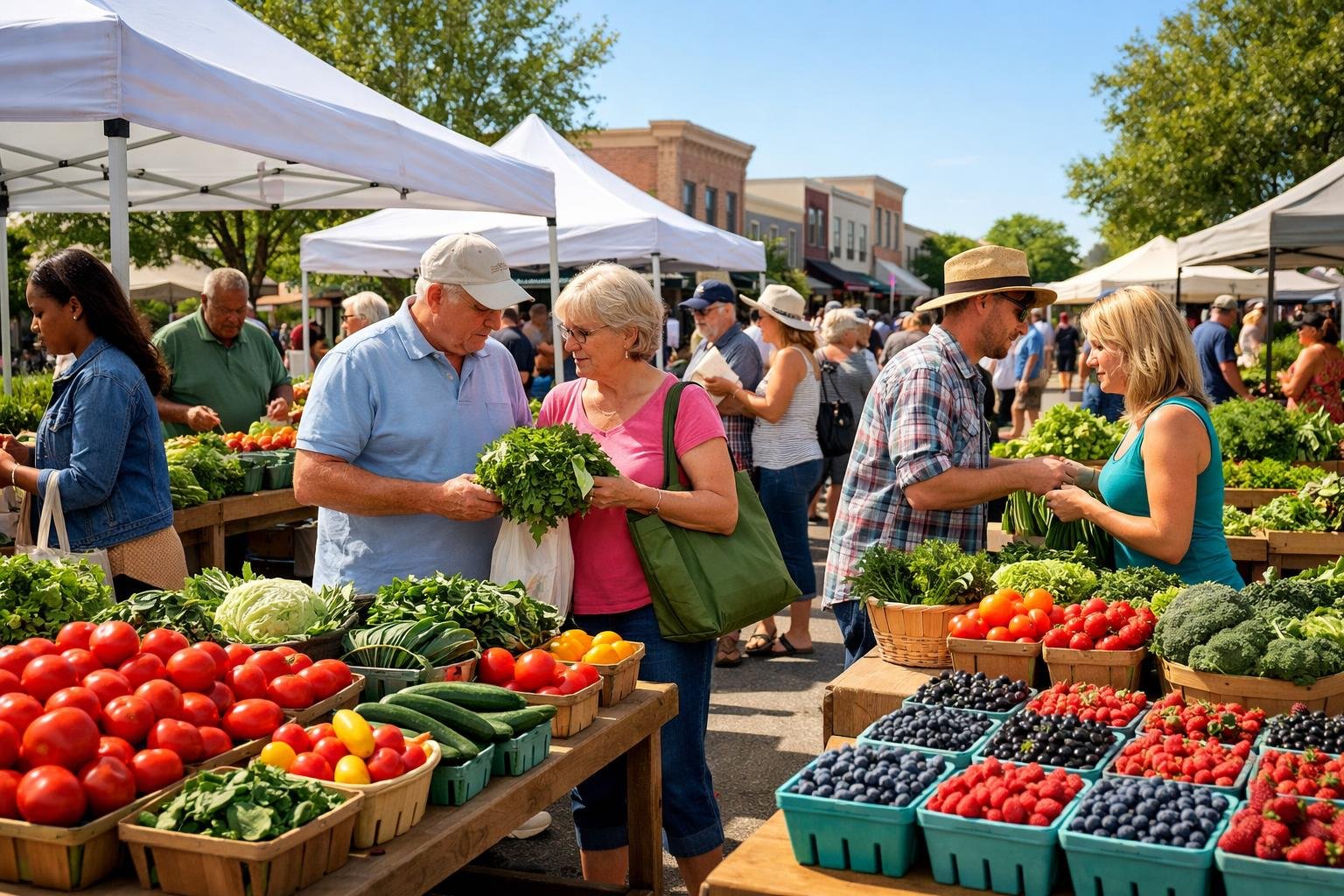
Shoppers will find a mix of seasonal produce, handmade goods, and vendors who sell ready-to-eat items. Markets run on set days and often post weekly updates about vendors, hours, and special events.
Fresh Produce Selection
Visitors will see a wide range of seasonal fruits and vegetables, often picked the same day. Expect strawberries and asparagus in spring, tomatoes and sweet corn in summer, and squash and greens in fall. Farmers usually label their stalls with growing methods (conventional, organic, or sustainable) and will say if produce was harvested within 24–48 hours.
Buyers can compare prices and ask about harvest dates, flavor, and storage tips. Small-scale growers often sell heirloom varieties and specialty peppers that grocery stores lack. Cash is common, but many markets accept cards or mobile pay; check each market’s page before arriving.
Local Artisan Goods
Markets include craftsmen who sell baked bread, jams, pickles, soaps, and pottery. Vendors often display ingredient lists and allergy notes for foods, and they will explain baking or curing methods when asked. Shoppers can sample items at many booths before buying.
Look for labels showing local addresses or farm names to confirm the item was made nearby. Artisans sometimes bring limited-run seasonal goods, such as honey from nearby hives or hand-dyed textiles. Prices vary by item and labor; shoppers who want to support makers should expect to pay a premium for small-batch work.
Farm-to-Table Experiences
Several vendors and nearby restaurants partner to create ready-to-eat options using market ingredients. Visitors can buy prepared plates like grilled vegetables, fresh salads, or breakfast biscuits made from market produce. Chefs or vendors usually note which farms supplied key ingredients.
Markets sometimes host cooking demos, recipe cards, or tasting stations that show how to use unfamiliar produce. Those who want to bring market food home can often find value-added items—pickles, sauces, and frozen meat cuts—labeled with storage and reheating instructions. For planning, check the market’s schedule online for demo times and special vendor appearances, such as those listed on the Poplar Head Farmers Market page.
Supporting the Local Community
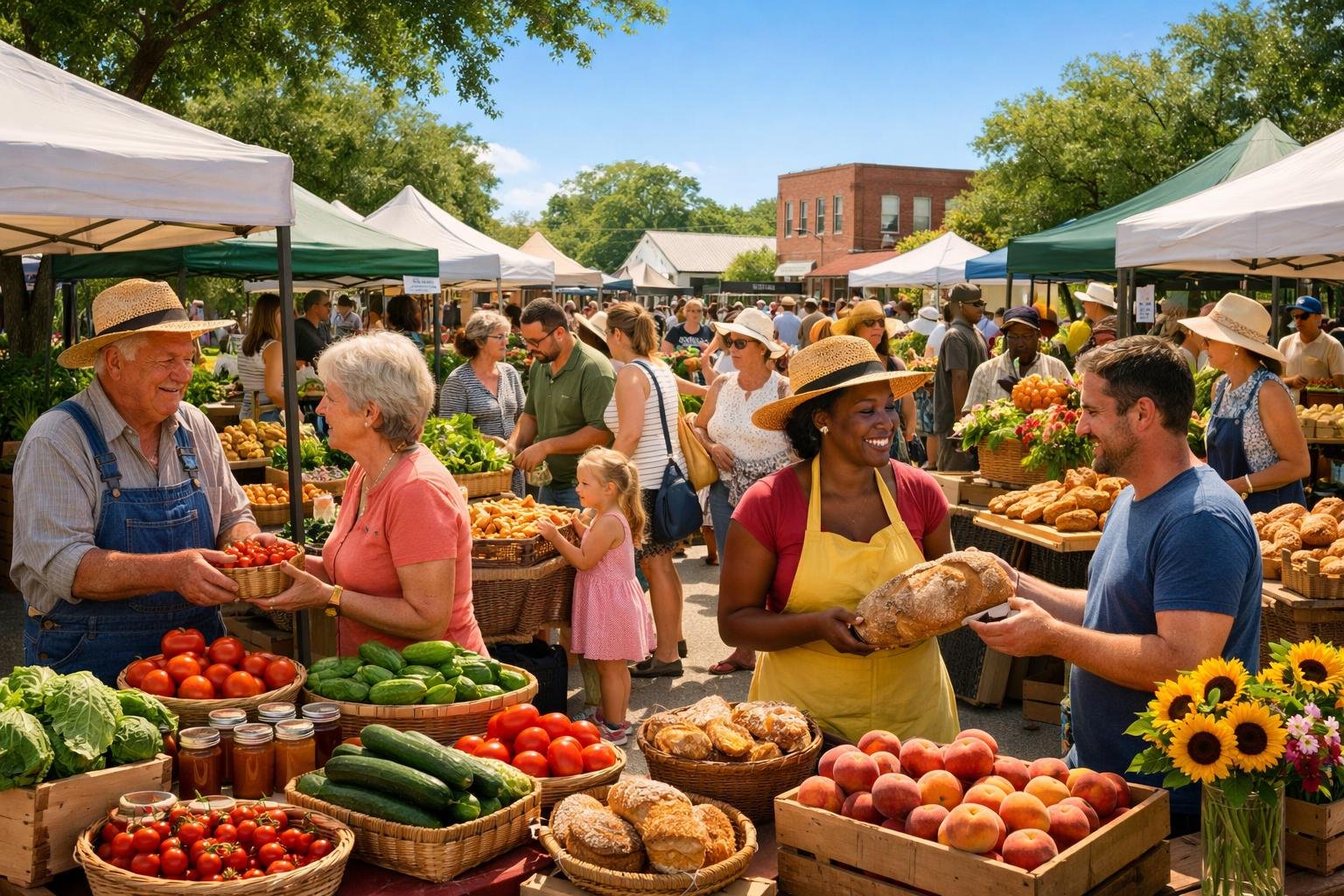
Markets give residents direct access to fresh food and local crafts. They keep money in Dothan neighborhoods and create steady, visible ways for people to buy from growers and makers they know.
Benefits to Local Farmers
Farmers sell at markets like Poplar Head Farmers Market to earn direct income without middlemen. They set prices, keep more profit, and get immediate cash flow that helps pay for seed, labor, and equipment.
Vendors build repeat customers who buy weekly. This reliable demand helps farmers plan what to plant and reduces waste. Small farms can test new crops, gather buyer feedback, and expand slowly with less financial risk.
Markets also raise a farmer’s local profile. Word-of-mouth and regular stalls lead to restaurant accounts and CSA sign-ups. That steady exposure can turn a part-time grower into a full-time farm business.
Sustainable Practices
Local markets cut food miles because produce travels a few miles rather than cross-country. Shorter transport lowers fuel use and keeps produce fresher when sold at places like the Market at Dothan and Poplar Head Farmers Market.
Many vendors use organic or low-chemical methods. Shoppers can ask farmers about growing practices at the stall. This transparency lets buyers choose items grown with cover crops, no-till methods, or reduced pesticides.
Markets encourage reuse and less packaging. Farmers often bring produce in reusable crates and sell bulk items. That practice reduces single-use plastics and lowers waste across the local food system.
- Find market details and schedules at the Poplar Head website: Poplar Head Farmers Market – Real Food. Fresh. Local.
Storage Unit Rentals in Dothan, AL
Local markets often leave shoppers with more produce and gear than they can carry. Residents can rent short-term or long-term storage units to free up space at home or store seasonal items.
Many facilities in Dothan offer climate-controlled units, drive-up access, and vehicle storage. Prices vary by size and amenities, so shoppers should compare options before choosing a unit.
Iron Storage has a location in Dothan and advertises promotions like a low first-month rate. Customers can check availability and pricing directly on the Iron Storage site.
For quick comparisons and deals, websites list multiple local facilities and current promotions. Use a comparison site to find promotions such as first-month discounts and matched local rates, then contact the facility to confirm terms.
Security features to look for include gated access, lighting, and on-site management. Picking a unit near the farmers market can make short trips easier and reduce time hauling purchases.