

Permanent Collections and Masterpieces
American Art Highlights
The American collection charts U.S. art from colonial portraiture to contemporary work. Visitors will find early portraits that document frontier families and civic leaders alongside Hudson River and American Impressionist landscapes that show evolving ideas about nature and light.
Key modern and regional works include pieces from the American Scene and Regionalism movements. These paintings highlight daily life, rural towns, and industrial change in the 19th and 20th centuries. The museum also collects 20th- and 21st-century artists who respond to social and cultural shifts.
Exhibits rotate, so viewers can see focused displays on individual artists, themes like migration and labor, or cross-period dialogues that pair older and newer works for comparison.
Native American Artworks
Philbrook has a strong Native American collection that covers historical and modern pieces. The holdings include Plains beadwork, Navajo textiles, Pueblo pottery, and Southeastern wood carvings. Many objects came through donations that document local and regional Indigenous histories.
The museum emphasizes cultural context and craftsmanship. Labels and displays often explain materials, uses, and maker traditions. Contemporary Native artists also appear, with paintings, mixed-media works, and conceptual pieces that address identity, land, and resilience.
Interpretive programs and occasional loans deepen understanding. Visitors can learn about artist lineages, traditional techniques, and how Native forms evolve in response to current issues.
European Paintings
European works at Philbrook span from the Renaissance to the 19th century. The collection contains religious and secular paintings, noting Italian and Northern European schools. Viewers can find fine examples of portraiture and devotional scenes that reflect changing artistic techniques.
Notable pieces include landscapes and genre scenes that reveal everyday life across Europe, and selected Renaissance works that show early approaches to composition and light. Curators link these pieces to broader art-historical developments, such as the move from medieval flatness to Renaissance perspective.
Philbrook balances display between permanent favorites and rotating loans, allowing close study of oils, tempera, and early conservation efforts visible on some works.
Decorative Arts Objects
The decorative arts collection includes ceramics, European and American furniture, metalwork, and glass. Many objects come from Philbrook’s original villa furnishings and later acquisitions that reflect domestic style from the 18th century through the early 20th century.
Visitors can see carved wood pieces, inlaid cabinets, porcelain services, and period lighting that illuminate how people lived and entertained. The museum highlights maker marks, material sources, and manufacturing techniques when possible.
Gallery installations often recreate room-like settings to show objects in context. Labels point out restoration choices and provenance details to help viewers trace each object’s history.
Historic Villa and Gardens
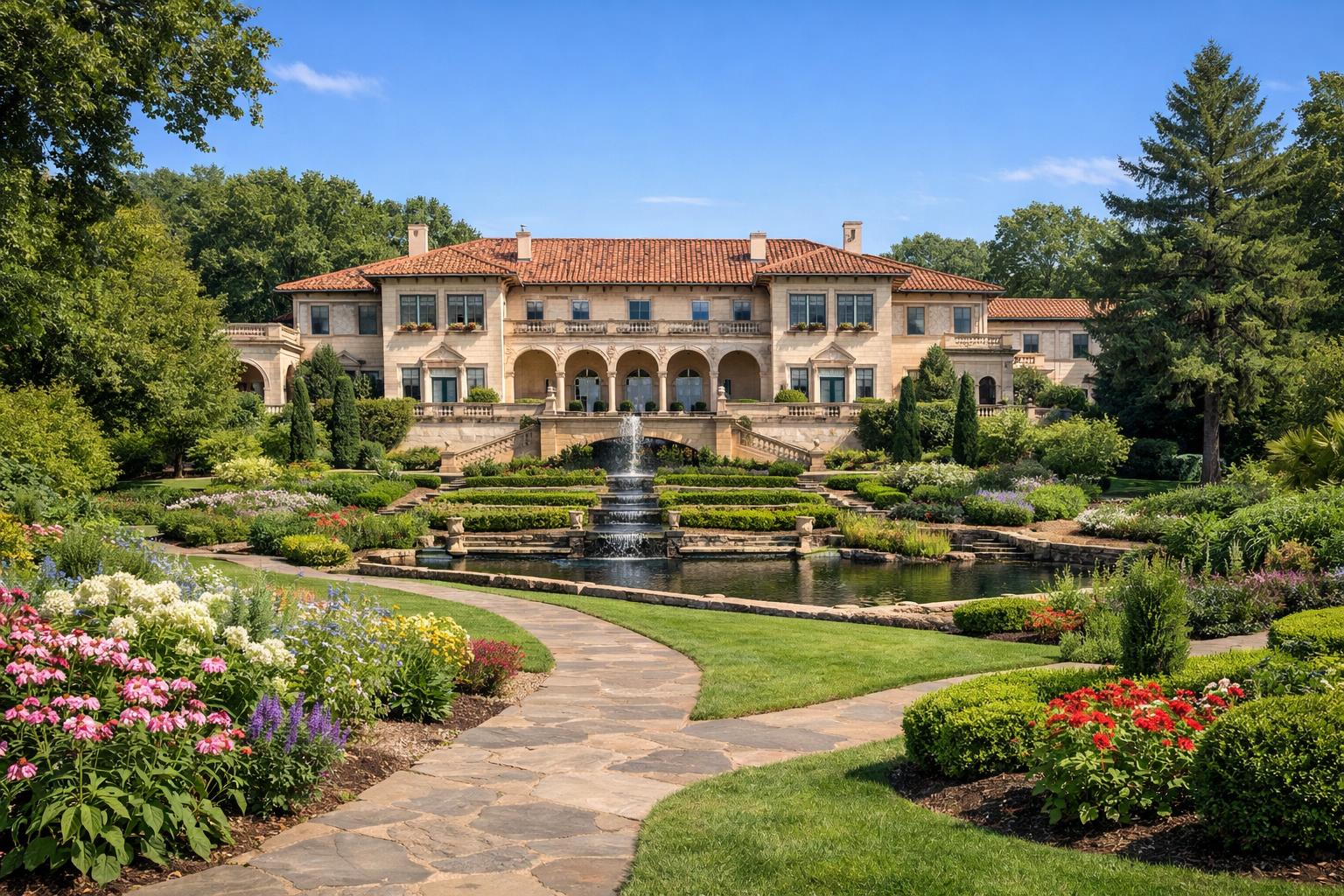
The villa blends 1920s Italianate design with modern museum spaces. The gardens mix formal terraces, fountains, and native plantings while displaying outdoor sculpture and rotating installations.
Villa Philbrook Architecture
Villa Philbrook began as Waite Phillips’ 1920s Italianate mansion. It features red-tile roofs, arched loggias, and carved stone details that reflect Mediterranean influence. Visitors notice plaster ceilings, patterned tile floors, and original woodwork preserved in many rooms.
Museum galleries nest within the historic floor plan, so guests move from grand reception rooms into purpose-built exhibition spaces. The layout highlights period rooms alongside modern lighting and climate control added for art care. Interpretive displays explain the Phillips family history and the building’s 1939 opening as a public museum.
Formal Gardens and Outdoor Sculptures
The estate sits on about 25 acres of gardens that combine Italian formal design with Oklahoma plants. Formal terraces and reflecting pools sit near the villa. Paths lead into meadows and woodland areas that showcase native prairie species.
Curators place outdoor sculptures along promenades and in garden rooms. Pieces range from figurative bronzes to contemporary abstract works. The garden map points out key features: a central fountain, a sunken garden, and a creek-side trail that frames sculptures with seasonal plantings.
Temporary Installations
Philbrook schedules rotating outdoor and indoor installations that change the visitor experience each season. Temporary exhibits often include site-specific sculpture, landscape interventions, and mixed-media projects that respond to the villa or the gardens.
Installation schedules appear on the museum’s calendar and at visitor services. Many temporary works invite interaction or new sightlines, encouraging repeat visits. Short-term exhibits complement the permanent collection without altering the historic fabric of the villa.
Storage Unit Rentals in Tulsa, OK
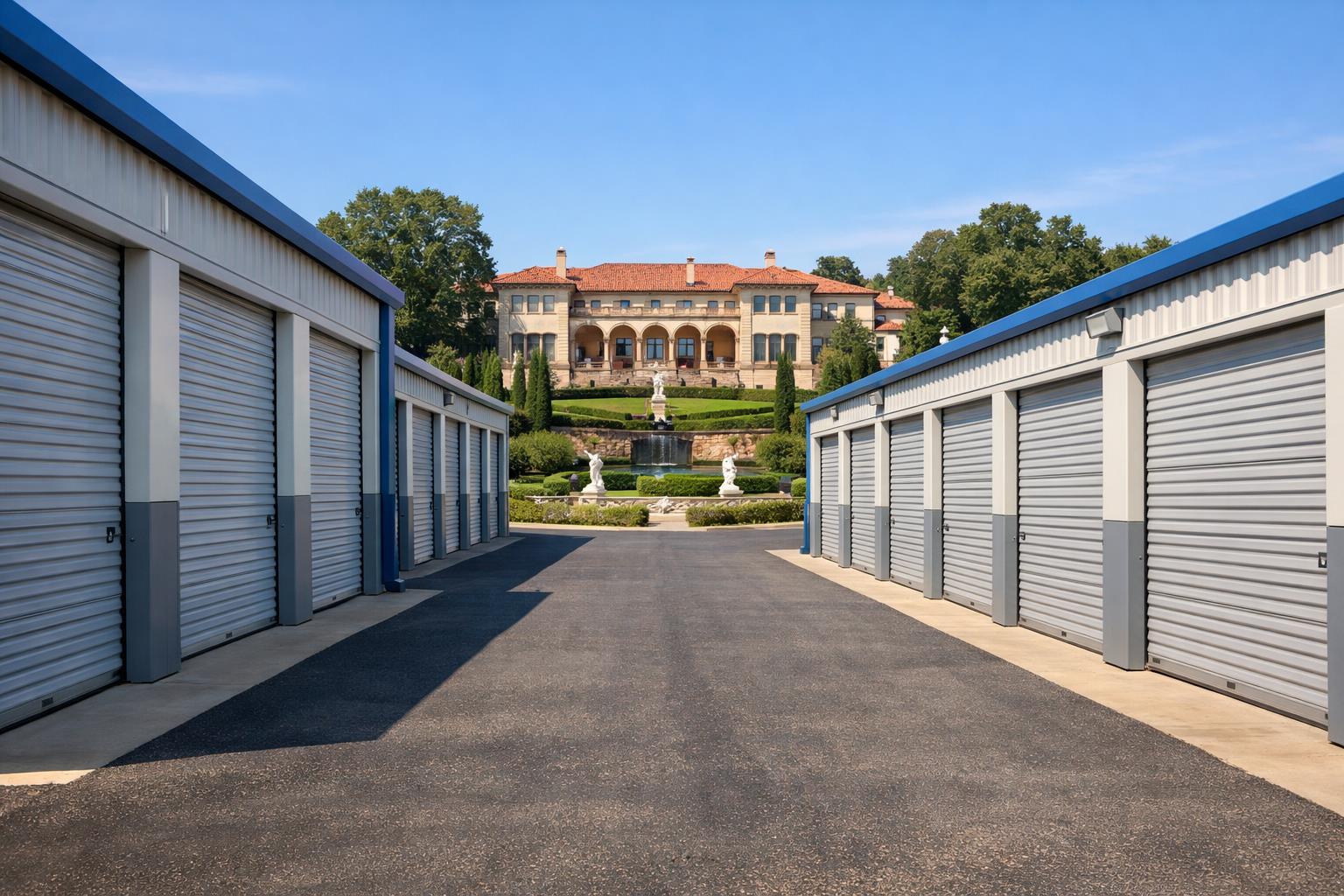
Visitors who need extra space while moving or storing art pieces can find many nearby options like Iron Storage Unit Rentals in – Tulsa, OK. Local companies offer a range of sizes from small units for boxes to larger units for furniture or vehicles. They often list features like drive-up access and climate control.
Security matters for valuable or delicate items. Many units include gated access, cameras, and on-site management. Climate-controlled units help protect paintings and textiles from heat and humidity.
Moving supplies and packing tips are useful for transporting fragile pieces. Use sturdy boxes, bubble wrap, and labeled containers. Keep an inventory list and photograph items before storing to simplify retrieval later.