
Assessing Local Storm Risks
Identifying Common Weather Threats in Rockingham
They should expect strong thunderstorms, occasional tornadoes, and tropical storm remnants that bring heavy rain. Thunderstorms can down trees and power lines; tornadoes, while less common, can cause concentrated roof and structural damage. Tropical systems that move inland from the coast often drop intense rain over short periods.
Check the National Weather Service for watches and warnings. Keep an eye on local forecasts and radar apps during storm season. Note which months bring the highest risk for each threat so storage plans match the likely hazards.
Evaluating Flood and Wind Hazards
Rockingham lies near low-lying streams and drainage areas that can flood quickly during heavy rainfall. Determine if a property is in a flood-prone area by using FEMA’s flood maps and local floodplain info from county planning. Higher ground or second-story storage reduces flood damage risk.
Wind can blow debris into windows and tear off shingles. Secure outdoor items, reinforce garage doors, and move valuables away from exterior walls. For high-value items, consider water-resistant containers and elevating them on pallets at least 12–18 inches above the floor.
Understanding Evacuation Routes and Schedules
Residents must learn the county’s designated evacuation routes and shelter locations before a storm. Rockingham County emergency management posts road closures and evacuation instructions during hazards. Mark two routes out of the area in case one is blocked.
Know the timing for mandatory evacuations and whether schools or community centers open as shelters. Plan how to move stored items quickly—use a checklist and pre-packed bins—so essential possessions can go with a household if evacuation orders arrive.
Preparing Belongings for Secure Storage
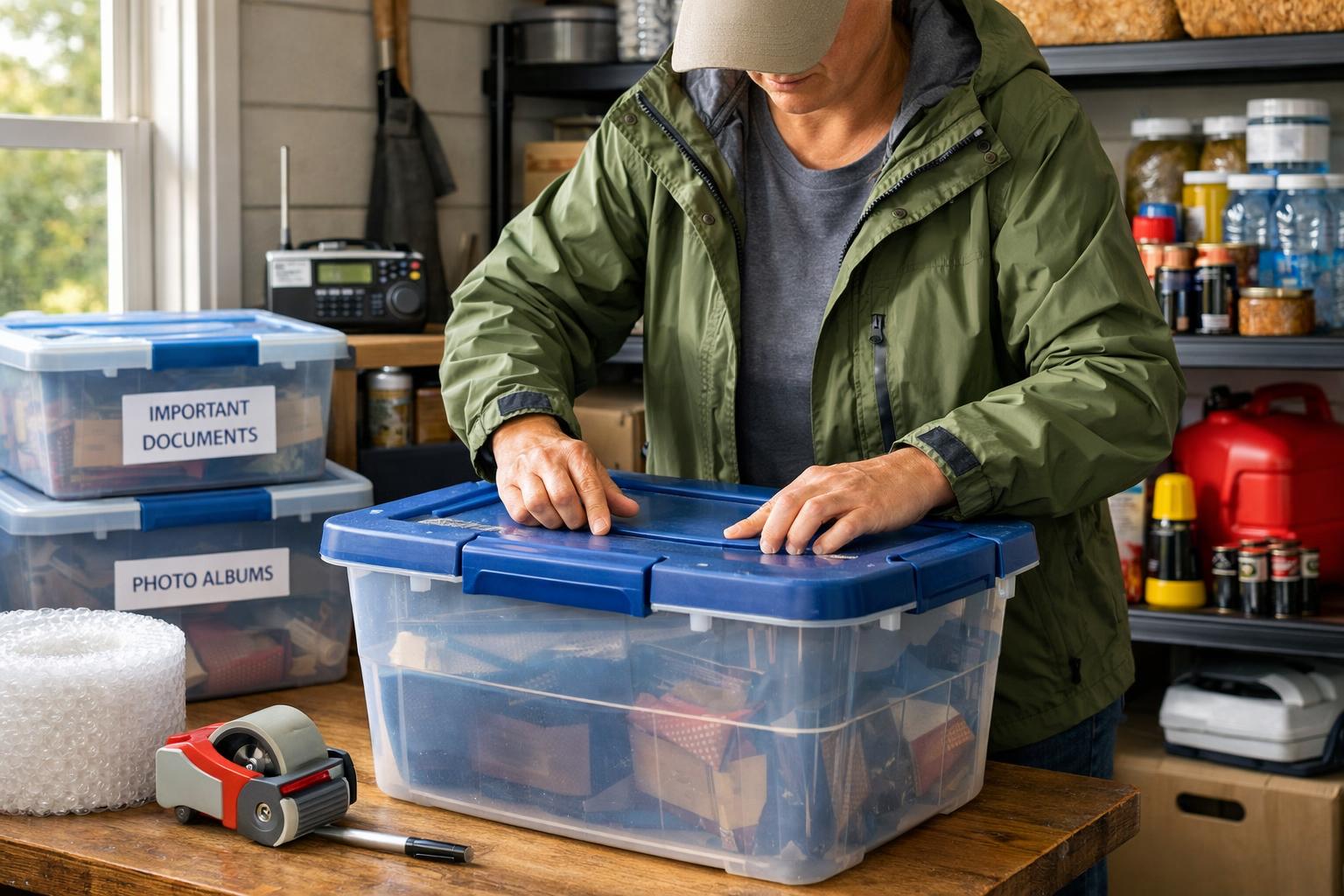
Focus on sturdy packing, clear labeling, and extra protection for fragile or high-value items. Use moisture-resistant containers, list what’s inside each box, and wrap delicate items to prevent shocks and water damage.
Choosing the Right Packing Materials
They should pick plastic bins with tight-fitting lids instead of cardboard. Plastic bins resist water and pests and stack safely on pallets or shelves. Use sizes that one person can lift—no more than 40 pounds per container.
For padding, choose bubble wrap, foam sheets, or acid-free packing paper for textiles and paper items. Use wardrobe boxes for hanging clothes to prevent wrinkles. Put electronics in anti-static bags and keep chargers with the device.
Elevate boxes on pallets or shelving to avoid floor water. Cover large furniture with breathable furniture covers or moving blankets; avoid plastic sheeting that can trap moisture. For long-term storage of wood or leather, put a small moisture absorber nearby.
Labeling and Inventory Tips
They should label each box on at least two sides with a short, clear description: room, main contents, and any special handling (e.g., “FRAGILE — GLASS”). Use a color-coded sticker system by room to speed locating items after a storm.
Keep a digital inventory spreadsheet or photo log saved to cloud storage and a printed copy in a waterproof bag. For each item note: item name, condition, box number, and storage unit location. Number boxes sequentially and record which shelf or pallet they sit on.
Attach a small list to larger pieces of furniture with painter’s tape describing contents inside drawers. Update the inventory when adding or removing items to avoid surprises during recovery.
Guidelines for Fragile and Valuable Items
They should pack fragile items individually with at least two inches of padding on all sides. Use double-boxing for valuables: place the wrapped item in a small box, then put that box inside a larger box with cushioning around it.
Store jewelry, passports, and small electronics in a locked, waterproof container or a bank safety deposit box. Keep originals of critical documents in a fireproof, waterproof box and scan copies to encrypted cloud storage.
For artwork and antiques, use rigid picture boxes, foam corner protectors, and climate-controlled storage if possible. Note insurance details and take high-resolution photos from multiple angles before storage to document pre-storm condition.
For very high-value items, consider moving them out of the area temporarily or renting a climate-controlled unit and keeping proof of ownership and appraisals with the item’s inventory entry.
Selecting Safe Storage Solutions
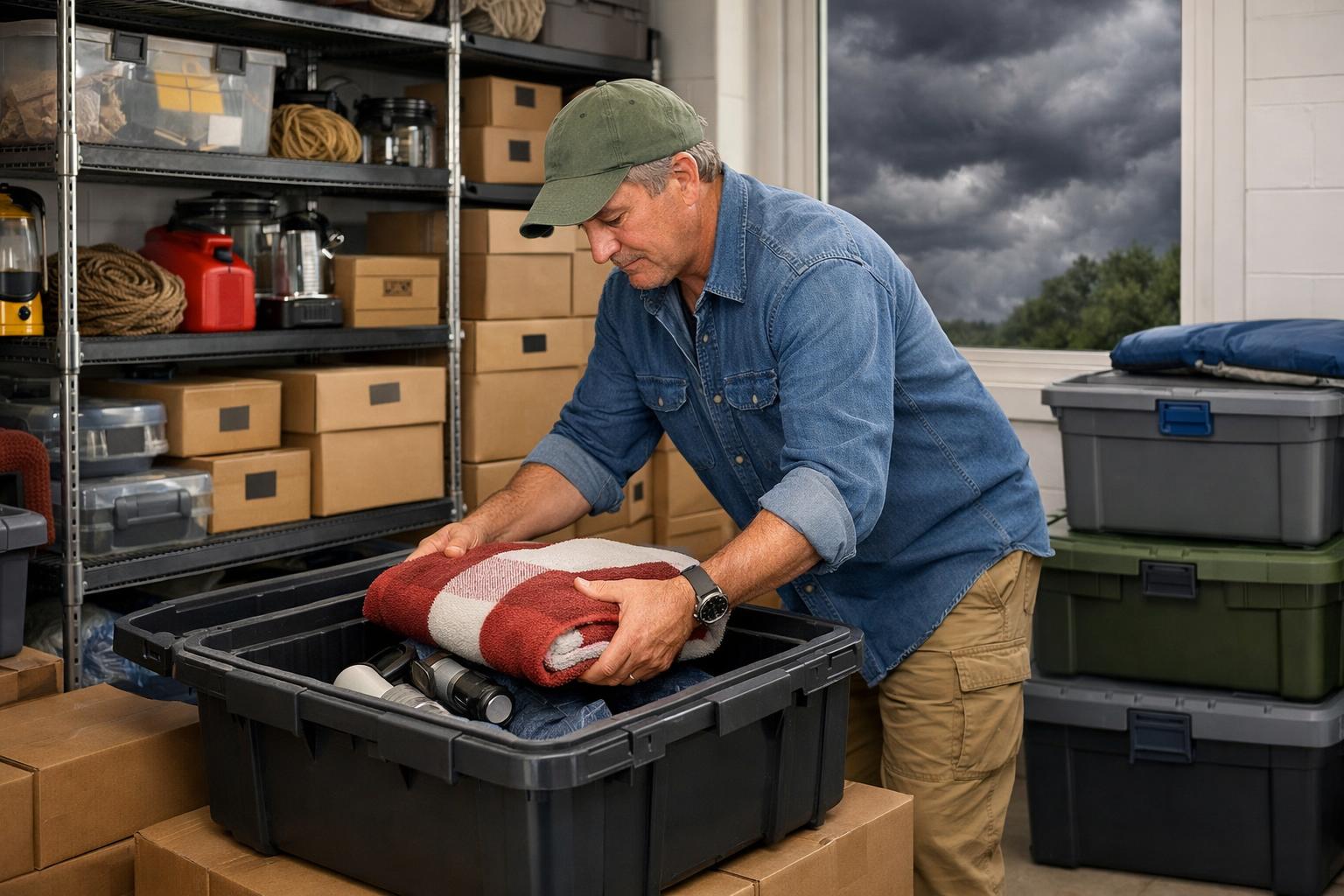
Rockingham residents should pick a storage option that keeps items dry, secure, and easy to access after a storm. Prioritize units with weather protection, good security, and clear insurance or claims policies.
Features to Look for in Rockingham Storage Facilities
They should choose a facility with perimeter fencing, gated access, and 24/7 camera coverage to deter theft. On-site staff during business hours adds a layer of oversight and faster help after a storm.
Water protection matters: look for raised concrete pads, sloped lots, and covered driveways that reduce standing water near units. Inspect doors and seals for signs of leaks or rust before renting.
Consider unit placement. Ground-floor units can flood; upper or interior units often stay drier. Request units with tight-fitting metal doors and weather stripping.
Confirm insurance and claims steps. Ask if the facility requires renter’s insurance and how to file damage claims. Keep a written copy of facility policies and contact numbers.
Climate-Controlled vs. Standard Units
Climate-controlled units keep temperatures steady and reduce humidity swings. This protects wood furniture, paper documents, electronics, and fabrics from mold, warping, and corrosion. In Rockingham’s hot, humid summers, a climate unit can prevent moisture damage over weeks or months.
Standard units cost less but can get hot and humid in summer and cold in winter. They work for tools, plastic bins, and items that tolerate moisture. Store sensitive items in sealed plastic bins with desiccant packs if using a standard unit.
Decide by item value and length of storage. For short stays of non‑sensitive goods, a standard unit is fine. For heirlooms, electronics, and papers, pay extra for climate control to reduce risk of storm‑related humidity damage.
For local options and climate-controlled listings in Rockingham, review facility features and unit types before signing a lease.
Storage Unit Rentals in Rockingham, NC
They can rent a variety of unit sizes to fit storm prep needs, from small 5×10 spaces to large 10×20 units. Larger units let families store furniture and appliances offsite during a storm, while smaller units work for boxes and important documents.
Many local facilities offer climate-controlled options to protect items from Rockingham’s hot, humid summers and sudden weather changes. Climate control helps keep wood, electronics, and paper from warping or molding.
Security features vary by location. Some properties provide gated access and camera monitoring, and others run online reservations and bill pay for quick setup.
Iron Storage Unit Rentals in – Rockingham, NC lists clean, secure units and a range of sizes for immediate move-in, including short-term options for storm seasons. Check availability and current promotions when deciding where to rent.
Compare prices and amenities before choosing. Websites like StorageCafe list many local options and starting rates, which can help people find the best match for budget and protection.