

Prominent Historic Districts of Tulsa
Exploring Local Historic Districts in Tulsa, OK reveals the city’s rich architectural heritage, cultural identity, and early growth. Tulsa’s historic neighborhoods feature distinctive homes, preserved landmarks, and stories connected to the city’s development and community history.
Maple Ridge Architectural Styles
Maple Ridge displays a wide range of architectural styles from the 1905–1930 period. Large Tudor Revival and Colonial Revival homes line oak-shaded streets. Many residences feature steep gables, brick or stucco exteriors, leaded-glass windows, and original interior woodwork.
The district contains several works by noted local architects and retains original garage apartments and carriage houses. Homeowners often preserve period details while updating mechanical systems for modern living. The area’s layout emphasizes deep lots and mature trees, creating a park-like setting that appeals to families and preservation-minded buyers.
Maple Ridge hosts walking tours during local events and maintains guidelines to protect historic character. These guidelines help keep additions and new construction visually compatible with the neighborhood’s early-20th-century scale and materials.
Brady Heights Cultural Heritage
Brady Heights reflects Tulsa’s boom-era growth and early residential patterns near downtown. The neighborhood includes Victorian, Craftsman, and Prairie-style houses built between 1900 and 1920. Narrow sidewalks and closely spaced homes show the area’s original working-class and middle-class roots.
Local groups have worked to restore porches, wraparound verandas, and original brickwork. Several homes retain original stained-glass panels and tin ceilings. The district also contains small commercial buildings that once served neighborhood shops and services, linking daily life to its past.
Brady Heights hosts community cleanups and history nights to share archival photos and oral histories. These efforts help residents understand how early streetcar routes and nearby industry shaped the district’s growth and social life.
Swan Lake Neighborhood Significance
Swan Lake centers around a small natural lake and park that anchor the neighborhood’s identity. The area developed in the 1920s and shows strong examples of Tudor Revival, Craftsman, and Period Revival houses. Curving streets and varied lot sizes give the district a distinct suburban feel compared with grid-pattern neighborhoods.
Many homes feature steeply pitched roofs, half-timbering, and detailed masonry work. The park and lake provide community gathering space and host seasonal events that bring neighbors together. Preservation efforts focus on maintaining the lake edge, mature landscaping, and historic street lighting.
Swan Lake’s significance also ties to its community planning: early developers emphasized green space and residential amenity. That legacy remains visible in the neighborhood’s walkability and cohesive streetscapes.
Guided Walking Tours and Local Events
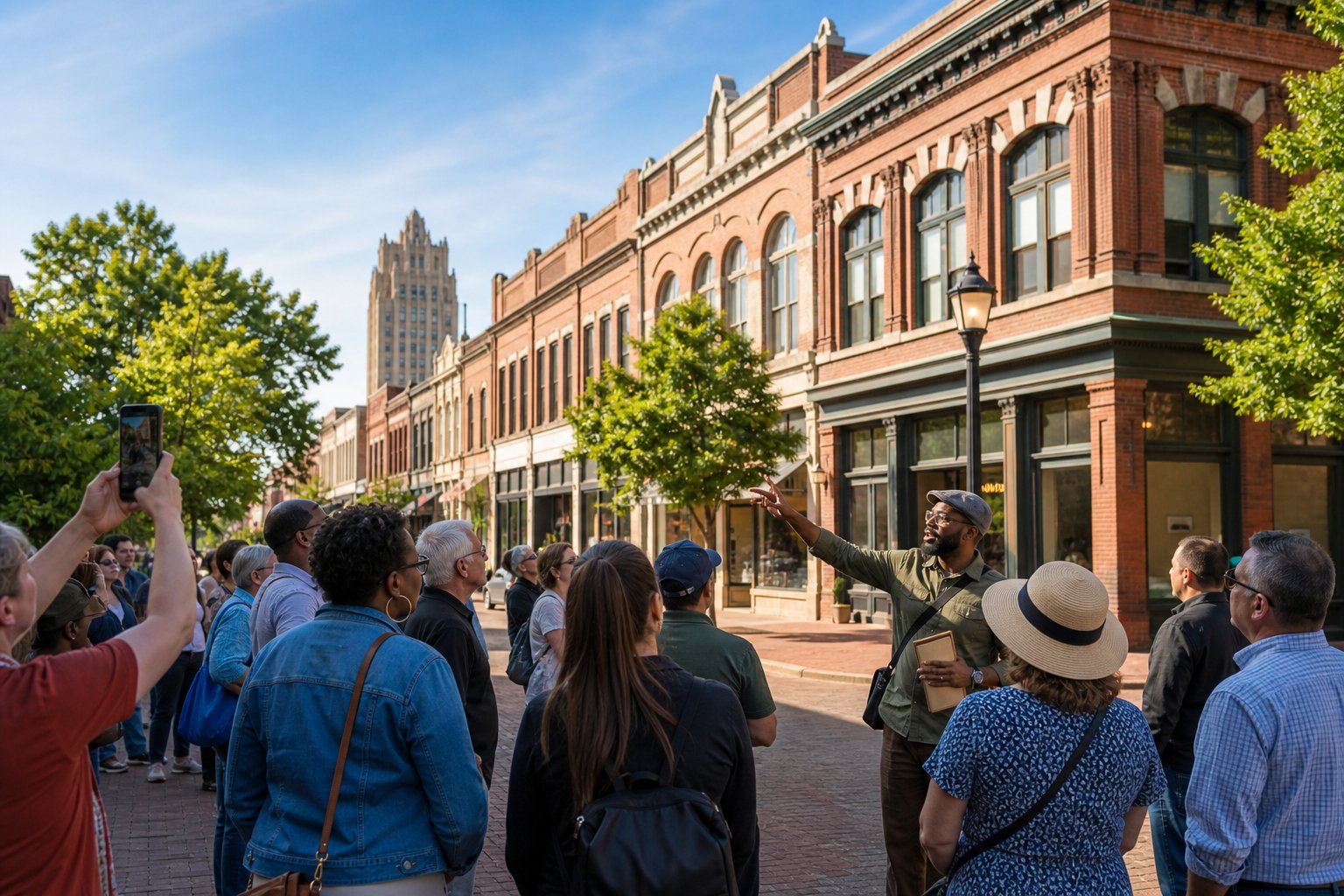
Visitors can choose guided walks that focus on Art Deco, Greenwood history, underground tunnels, breweries, or ghost stories. Local groups run frequent public and private tours and schedule events tied to preservation and community anniversaries.
Seasonal Tour Highlights
Spring and fall bring the busiest tour schedules, when temperatures are mild and outdoor walks last 60–90 minutes. Popular routes include the Art Deco circuit in the Deco District, the Greenwood/Black Wall Street historical walk, and underground-tunnel highlights downtown.
Tour companies such as Tulsa Tours run weekly public walks and private options that can include nearby neighborhoods by SUV for larger groups. Book in advance for weekend slots and holiday weekends.
Summer tours often shift earlier or later to avoid midday heat. Evening ghost tours and trolley rides run more in summer and fall and offer cooler, atmospheric views of landmarks. Winter months feature condensed, indoor-rich itineraries focused on museum stops and architecture talks.
Annual Preservation Events
Annual events spotlight restoration projects, heritage anniversaries, and community-led walking days. The Greenwood District hosts commemorative programs and guided history walks tied to the 1921 Race Massacre remembrance. These programs mix docent talks with visits to museums and memorial sites.
The Tulsa Foundation for Architecture and local preservation groups stage open-house weekends for historic homes and Art Deco landmarks. These events let visitors enter buildings usually closed to the public and hear from architects and restoration specialists.
Community festivals and brewery tours sometimes include curated walks or pop-up talks by historians. Attendees should check event calendars, reserve tickets early, and expect some events to sell out or require timed entry.
Tips for Responsible District Visits
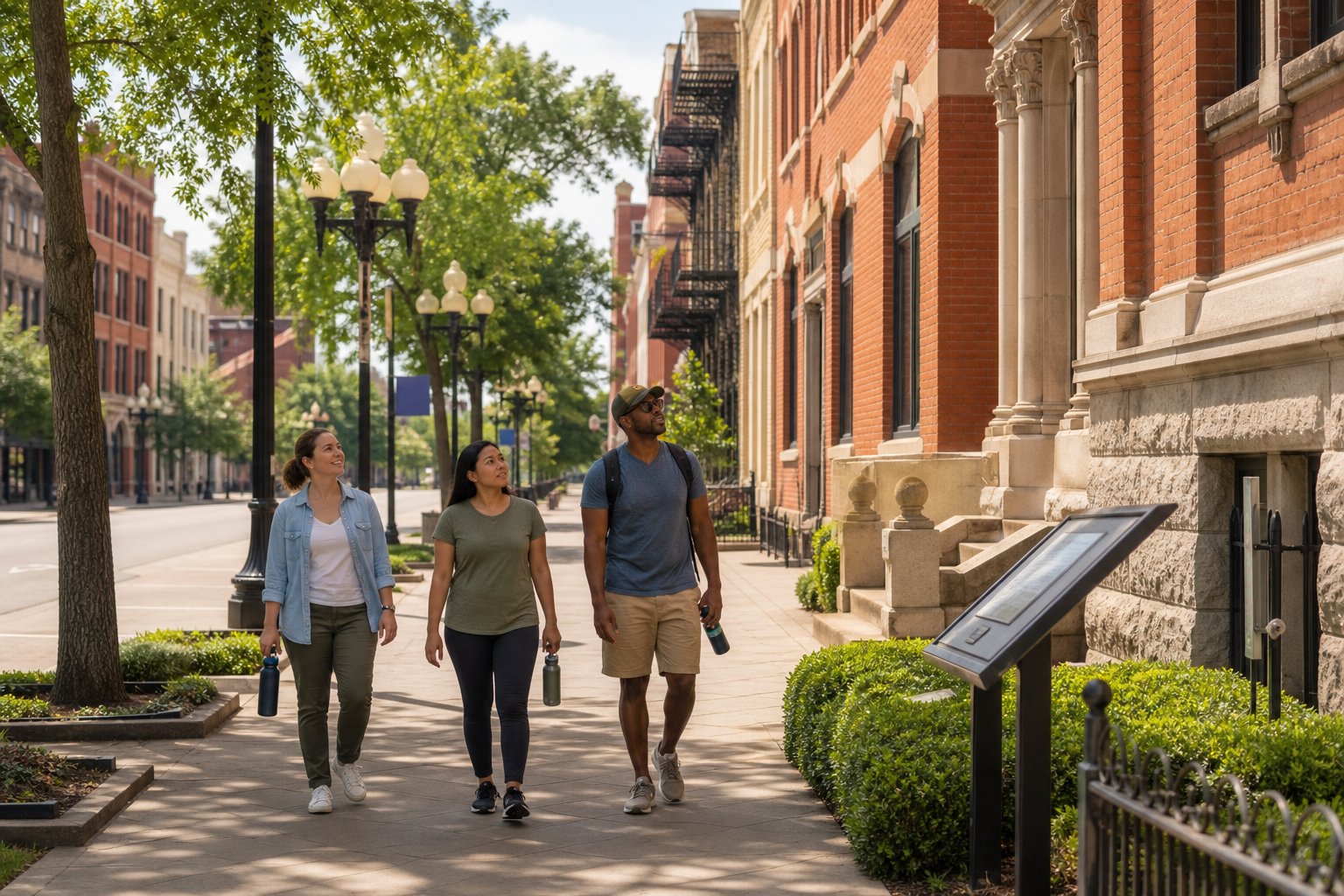
Visitors should plan parking and access ahead, follow local rules, and spend money at small shops and eateries to support the neighborhood’s economy and upkeep.
Parking and Accessibility
They should check parking rules for each district before arriving. Many downtown areas like the Tulsa Arts District and Blue Dome offer metered street parking, short-term lots, and pay-by-app garage options. Read posted signs and app details to avoid towing or fines.
If someone needs an accessible route, they should look up curb cuts, ramps, and elevator access at major venues. The Tulsa Planning Office and district websites list ADA info for public buildings and events. Bring mobility aids and plan extra time for getting between sites when sidewalks are narrow or crowded.
For events or busy weekends, use public transit or rideshare to reduce congestion. Park-and-walk spots near train or bus stops work well. Keep valuables out of sight and lock vehicle doors when leaving a car.
Supporting Local Businesses
They should prioritize independent shops, cafes, and galleries when choosing where to eat or buy souvenirs. Small businesses keep historic districts active and help fund preservation through sales and taxes. Look for locally made goods, neighborhood bakeries, and family-run restaurants.
Buy a coffee or meal at a nearby cafe instead of a national chain. If a shop has limited hours, check its website or social page before heading over. For art or specialty stores, ask staff about makers and provenance to ensure purchases match the district’s history.
When possible, post positive reviews and tag businesses on social media. That low-cost promotion brings new visitors. Also, follow local business district pages for seasonal events and pop-ups to time visits when shops and vendors are open.
Storage Unit Rentals in Tulsa, OK
Visitors and residents often need extra space when working with historic homes or moving into older neighborhoods. They can find a wide range of unit sizes and features across Tulsa, from small 5×5 units to large garage-style spaces. Prices can start low, so renters should compare options before deciding.
Climate-controlled units protect antiques and textiles common in historic homes. Many facilities offer climate control, drive-up access, and online reservations for convenience. For larger or long-term storage needs, public chains and local operators both serve the area.
Iron Storage Unit Rentals in – Tulsa, OK offers practical solutions for people renovating historic properties or storing seasonal items. They should review security features, insurance options, and access hours. A short site visit helps confirm a unit fits fragile or valuable belongings from Tulsa’s historic districts.